


The Evolution of Pickleball in Michigan
The sport was invented in 1965 (yes it is over 60 years old) and then it took 20 years before it even arrived to the State of Michigan. It was barely a niche pastime back then. Today it is Michigan's fastest-growing sport with estimates of over 60,000 players right here in the great lakes state. What started as a casual backyard game has become a vibrant community activity with dedicated courts, leagues, and tournaments across the state. This post explores how pickleball has changed in Michigan, highlighting key developments, community impact, and what the future holds for this engaging sport.
Growth in Popularity and Participation
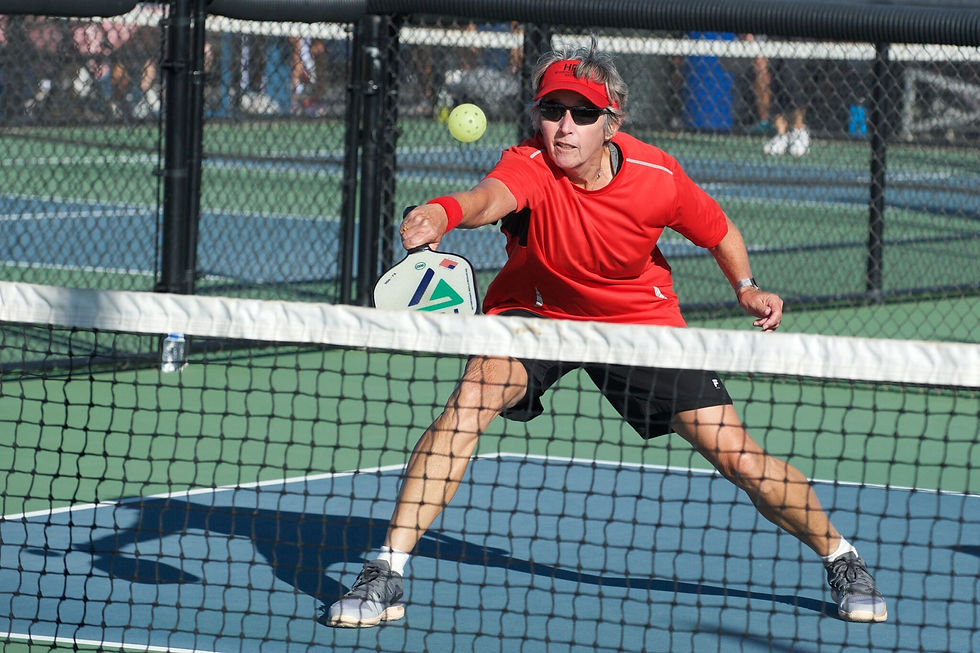
Pickleball popularity has been picking up pace rather exponentially and there is no signs of it slowing down. Today, the sport attracts players of all ages and skill levels. However, there has been a recent explosion of the younger 18 to 35 age group, An increase in women in the sport, and we are just starting to see a resurgence of the 50+ players. The sport was designed and created for children/youth but that group did not initially take to the sport. It was the 50+ age group that made pickleball a world wide phenomena and from 1965 to about 2016 the sport was dominated mostly by older players. However, in the last 5 years the sport has begun to to "swing" towards younger players 18 to 35 and this has been championed by the amazing Anna Leigh Waters. Anna Leigh is an American professional pickleball player. She is regarded as one of the most dominant athletes in the sport. As of January 28 2026, she has won 181 gold medals, 39 triple crowns, and was ranked No. 1 in the world for doubles, mixed doubles, and singles by the Professional Pickleball Association. She started playing when she was very young and started playing pro matches long before she was even an adult.
Several other factors contributing to this surge:
Accessibility: Pickleball is easy to learn and requires minimal equipment, making it appealing to beginners and families.
Health Benefits: The sport offers moderate physical activity, which attracts older adults looking to stay active without high-impact strain.
Social Aspect: Pickleball fosters community connections, with many local organizations creating leagues, social events, tournaments, and mixers. The culture of pickleball is more friendly or social than other sports.
This growth has led to more dedicated pickleball facilities, both indoor and outdoor, across cities like Grand Rapids, Ann Arbor, Warren, Kalamazoo, Clinton Township, and more. Additionally, city parks and rec organizations have increased their offering and courts for the sport of pickleball including a new indoor dedicated facility in Sterling Heights.
Development of Dedicated Facilities
In the early 2010s, most pickleball games in Michigan took place on converted tennis courts or in gymnasiums. The last 5 years has seen a shift toward purpose-built pickleball venues. Municipal parks and recreation departments have also invested in courts designed specifically for pickleball, with proper dimensions, surfaces, and lighting.
Examples include:
Belknap Park in Grand Rapids, which has 21 courts and is home to the Beer City Open.
Kellogg Community College, which added 12 pickleball courts.
Borden Park in Rochester Hills, which has 8 courts and is home to the Michigan Pickleball RARA program and the Michigan Pickleball - Tournament of Champions.
These dedicated spaces have improved the playing experience and allowed for organized leagues and tournaments to flourish. Private clubs have also been on the rise with the Metro Detroit / Tri-county area seeing the greatest growth. Bash, Metro, and Northville are all newer private clubs that are also seeing tremendous growth.
Community, Challenges, and the Future Outlook
Pickleball’s growth has had a positive impact on Michigan communities. The sport welcomes players of all ages and athletic backgrounds. Senior centers have embraced pickleball as a way to promote active lifestyles, while schools have introduced it as part of physical education programs.
Coaches often offer beginner clinics, lessons and skill & drill sessions. These efforts have helped build a large base of players with strengthened social ties.
Despite its rapid growth, pickleball in Michigan faces some challenges:
The Pickleball Ecosystem: 10 years ago there were very few places to play and the experience was very similar everywhere you went. Today there are over 300 locations to play pickleball in Michigan and now there are differentiators making play experience (in some cases) very different from place to place. There are exclusive country clubs, parks and recreation programs, private dedicated businesses, and 3rd part facilitators. The Ecosystem continues to evolve and with it the experience is changing. Here is an example, in 1783 there was Schweppes carbonated mineral water, then in 1866 there was Vernor's Ginger Ale, then in 1886 Coca-Cola was born. Today there are around 400 soft drink companies in the USA and over 2700 across the world. Today carbonated beverages are very different then there were over 100 years ago and the competition for market share is always ongoing. Pickleball is 60 years old now and now there are many "flavors" to choose from. Not all places and programming are equal.
The Noise: Some neighborhoods have raised concerns about noise from outdoor courts, leading to discussions about court placement and sound barriers. Even indoor locations are finding the need for acoustic sound dampening tiles that are needed to bring the sound volume down.
Court Availability: Demand for courts sometimes exceeds supply, this presents some challenges on how to mange this. For now the answer has been to create more locations and courts.
The Cost of the Pickle: The cost of pickleball has been steadily increasing. There are places to play for free and there are places that are quite expensive. In comparison to other sports like golf, the sport is very inexpensive to play. However, the changes in cost models are changing the sport a bit. Pricing is becoming a delicate balancing act with some players willing to pay for better play experiences and others wanting the costs to stay affordable. Building dedicated facilities is not inexpensive, so the balancing act will continue.
Growth and Accessibility: Ensuring the sport remains approachable and welcoming is important. Ambassadors and 3rd party organizers such as Michigan Pickleball connect and organize players to tournaments, leagues, classes, and so much more. The key "players" in the industry all have specific priorities. Paddle manufactures want to sell paddles, private clubs want to sell court time, and organizers want you to join their leagues, classes, and tournaments. Competition is fierce on and off the courts. Generally speaking the growth is great for everyone but... with players having options that are now choosing where and how they want to play.
Looking ahead, Michigan’s pickleball community is focused on sustainable growth. Plans include building more courts, expanding into youth programs, and increasing partnerships with cities, schools and recreation departments. The sport’s appeal shows no signs of slowing, and Michigan is poised to remain a key player in the national pickleball scene. In the next few seconds someone/somewhere is going to say 0-0-2 and the pop, pop, pop of the paddle will start another new game. The evolution of the game here in Michigan is changing along with the paddles, the play style, and so much more. However, at the heart of the game is its players and the community that made this sport American #1 growing sport. The key to successful growth and evolution of the sport will be in understanding its history, respecting all the contributors that got us here, and continually building a community that is more like a family rather than a commodity. As the sport continues to evolve we want to keep what has made the sport oh so great and that is positive relationships amongst its players.
Comments